
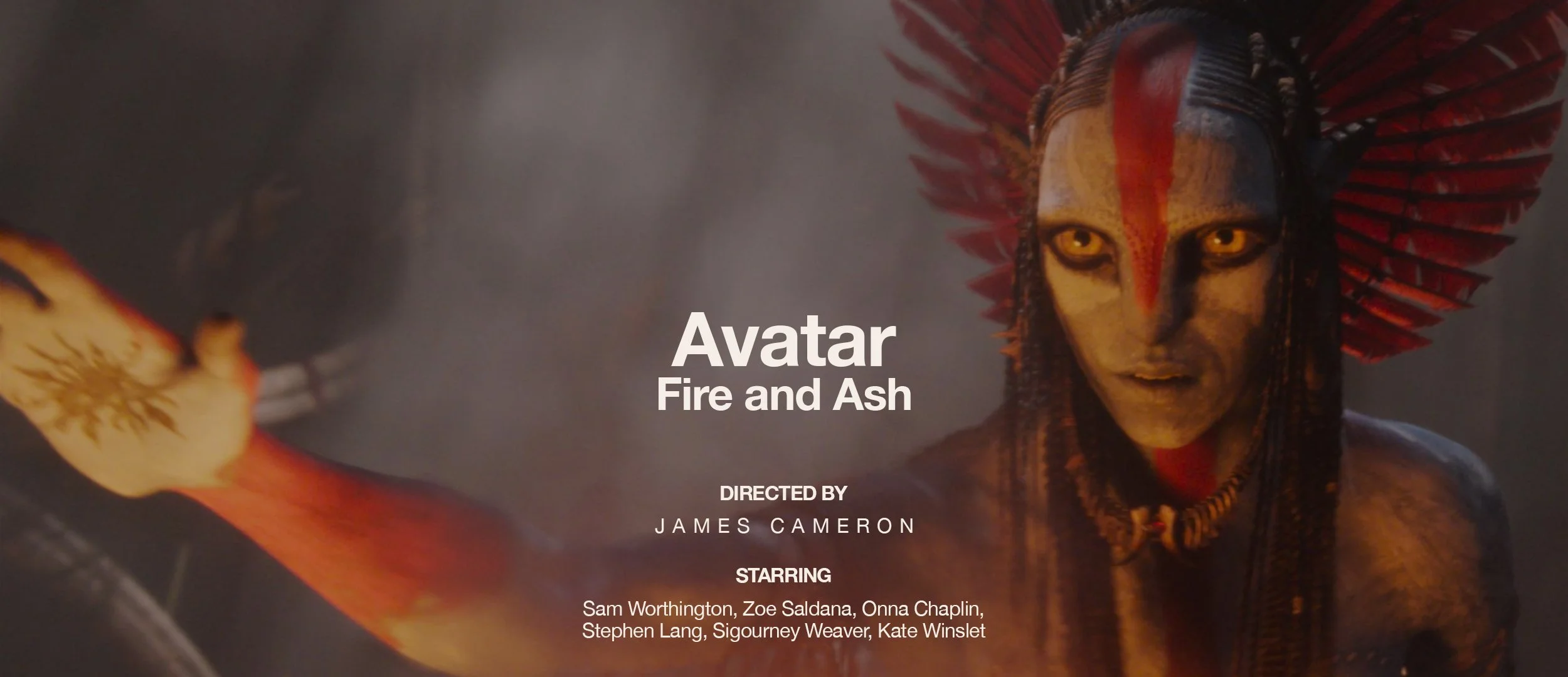

The James Cameron Avatar juggernaut continues.
And safe to say, he’s still got it!
December, 2009 unleashed a phenomenon that the world was not prepared for. Something completely uncharted in the world of cinema. A visual spectacle, and a story to match that mad impulse. Avatar took the world by storm. Maybe even changed the way films were conceptualised and materialised in their final form. A bookend in the annuls of cinema, something that would go on to inform future films since.
And then came the sequels. Avatar: The Way of Water first released in 2022. It brought in some new elements into the original storyline. Now the other side — the human side — also draped their avatar forms of the Na’vi, making the battle a more matched contest. Some sort of beyond the grave situation. And that led to enough losses on the side of Jake Sully and his people, making him take his family to another part of the planet. The losses mounted, but eventually the Na’vi came together and were able to stand victorious.
Avatar: Fire and Ash continues from there. Jake Sully and his family are still coping with the loss of their son; the RDA is still on the loose, burning through Tulkuns to collect Amrita, a serum sort of substance extracted from dead Tulkuns that stops human aging — this being the new numero uno resource being sought in Pandora by the RDA; and the Recombitants of the late Colonel Miles Quaritch and his soldiers still hunt for Sully and the late Quaritch’s son, Miles “Spider” Socorro; and in the midst of it all, are an aggressive Na’vi tribe, the Mangkwan, non-believers in Eywa, out to attack and pillage and take everything for themselves.
Like most Avatar movies, the first half is a bit chaotic, slow. There is a lot of time spent in trying to place the set pieces together, to build a suitable platform for the second half to follow. It takes a while, at times painstakingly so. But it gets there eventually. Just about.
And then comes the shift in gears. That moment of truth that has pretty much gone on to define the Avatar movies. The refusal of the natives to be subjugated, to be taken for a ride, to give up.
The second half of Fire and Ash is nothing short of breathtaking. Cameron finds his rhythm and delivers a relentless cascade of emotional beats and action sequences that justify every minute of the meandering first half. The stakes feel higher, the character arcs reach their crescendo, and the thematic weight of colonialism, family, and survival crashes down with full force. This is where the film truly comes alive, where all those carefully arranged set pieces detonate in spectacular fashion.
Visually, Fire and Ash is a triumph. The “fire” element promised in the title manifests in ways both literal and metaphorical, with volcanic landscapes and bioluminescent ash storms that push the boundaries of what we thought possible in visual effects. The underwater sequences from The Way of Water were remarkable, but the fiery terrain of this installment—combined with the contrasting lush environments—creates a visual palette that feels fresh yet consistent with the established world. Every frame is a painting, every battle sequence a ballet of chaos and beauty. Cameron and his team have once again raised the bar for what cinema can achieve technically.
The performances anchor this visual spectacle with genuine emotional heft. Sam Worthington brings a weathered gravitas to Jake Sully, a man still haunted by loss and the weight of leadership. Zoe Saldaña delivers perhaps her finest work as Neytiri, channeling grief and rage with equal intensity. Sigourney Weaver continues to impress in her unique role, while Stephen Lang's Quaritch remains a fascinatingly complex antagonist—neither purely villain nor hero. Britain Dalton, Bailey Bass, and Trinity Jo-Li Bliss bring depth to the younger generation, shouldering much of the film’s emotional core. The supporting cast, including Cliff Curtis and the newcomers from the Mangkwan tribe, round out an ensemble that never lets the spectacle overshadow the humanity at the story's heart.
Special mention must be made of Simon Franglen’s background score. Building on James Horner’s original themes while carving out new musical territory, Franglen creates a soundscape that is both ethereal and thunderous. The score knows when to whisper and when to roar, elevating key moments to mythic status. The integration of Na’vi-inspired vocalizations with orchestral grandeur creates something that feels genuinely alien yet deeply moving. It’s a score that doesn’t just accompany the film—it inhabits it.
Avatar: Fire and Ash proves that Cameron’s vision for Pandora is far from exhausted. While it may stumble in its opening act, the film ultimately delivers on the promise of its title—an inferno of emotion, action, and visual wonder. As the credits roll and we’re left with tantalizing hints of what’s to come, one thing becomes abundantly clear: we absolutely need to see where this story goes in the next installment. The Avatar saga is far from over, and if Fire and Ash is any indication, the best may still be ahead.